Everything You Need to Know Before Racing Quebec’s Most Challenging Cycling Events
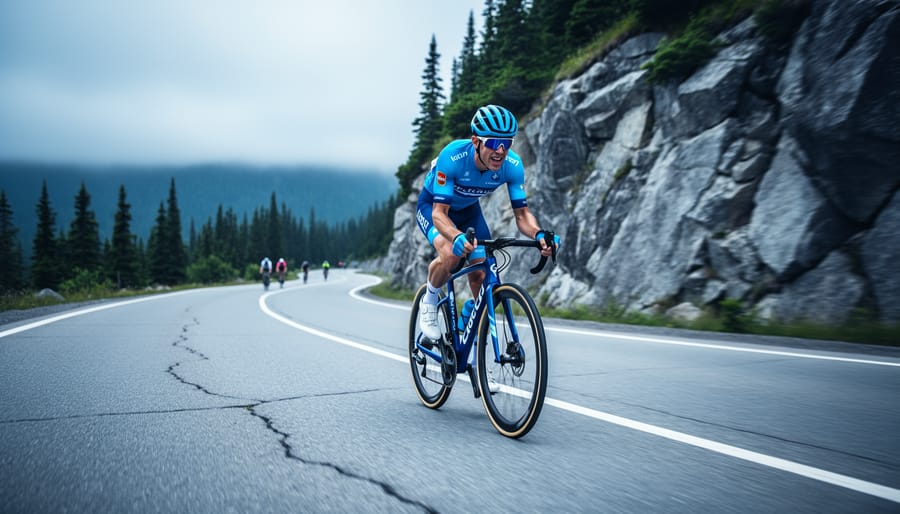
Quebec’s cycling race scene pulses with energy from late spring through early fall, offering everything from grueling mountain stages in the Laurentians to criteriums through Montreal’s cobbled streets. The province hosts over 40 sanctioned races annually, including the prestigious Grand Prix Cycliste de Québec and Montreal, which attract WorldTour professionals each September.
Registration for most Quebec races opens 8-12 weeks before race day through the Fédération Québécoise des Sports Cyclistes (FQSC) platform. You’ll need a valid racing license, which costs about $100 for beginners and requires completion of a basic safety course. Many events fill their rosters within days, particularly the popular Ride Mont Sainte-Anne and the challenging Tour de Beauce stage race.
Quebec’s unique racing conditions demand specific preparation. Spring races battle unpredictable weather, with temperatures swinging from 5°C to 20°C in a single day. Summer events test your climbing legs on routes featuring 1,500+ meters of elevation gain. The province’s bilingual race environment means understanding French course directions and official announcements gives you a competitive edge.
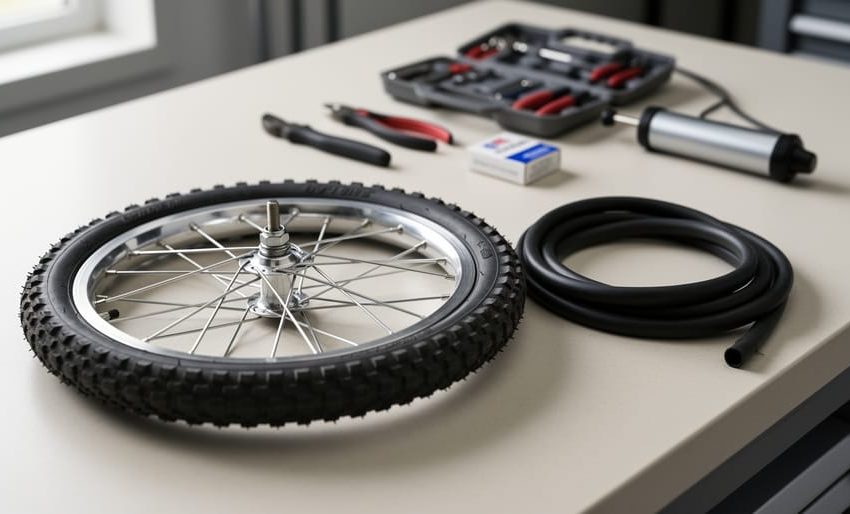
The community around Quebec cycling runs deep. Local clubs in Quebec City, Montreal, and Gatineau organize weekly training rides that mirror race conditions. Veteran racers regularly share bike setup advice for handling Quebec’s notorious frost heaves and repair tips for dealing with mechanical issues during multi-day events.
Whether you’re eyeing your first Cat 5 criterium in Sherbrooke or planning a season-long campaign, understanding Quebec’s racing landscape transforms nervous anticipation into focused preparation.
Major Quebec Cycling Races Worth Your Training Time
Quebec offers a remarkable spectrum of cycling events that cater to every discipline and ambition level. From world-class professional races that attract international stars to community-focused rides where camaraderie matters as much as speed, the province has carved out a distinctive place in North American cycling culture.
The Grand Prix Cycliste de Québec stands as the crown jewel of Quebec racing, part of the UCI WorldTour calendar. This professional one-day race through Quebec City’s historic streets features brutal climbs up the Côte de la Montagne and draws the sport’s biggest names each September. While most cyclists won’t race alongside the pros, the event inspires countless amateur riders and demonstrates the caliber of racing the province supports.
For participation events, the Tour de l’Île de Montréal reigns supreme. This car-free ride through Montreal attracts over 20,000 cyclists each June, offering distances from family-friendly routes to challenging 50-kilometer loops. It’s not a race in the competitive sense, but the festive atmosphere and completely closed roads create an unmatched urban cycling experience.
| Race Name | Type | Distance Options | Difficulty | Registration Period |
|---|---|---|---|---|
| Tour de l’Île de Montréal | Gran Fondo/Ride | 25-50 km | Beginner-Intermediate | March-May |
| Défi Montréal-Québec | Road Race | 250 km | Advanced | January-April |
| Gatineau Loppet Bike | Mountain Bike | 30-60 km | Intermediate-Advanced | February-May |
| La Randonnée des Sommets | Gran Fondo | 80-160 km | Intermediate-Advanced | April-June |
Criterium racing thrives in Quebec’s cities during summer months. These short, intense circuit races demand explosive power and technical cornering skills. Montreal hosts weekly crits at the Olympic Basin, where tight turns and short laps create aggressive, tactical racing that differs completely from endurance events.
Mountain biking has exploded across Quebec’s trail networks. The Gatineau Loppet Bike and events at Mont-Sainte-Anne offer technical singletrack challenges through forested terrain, appealing to riders seeking dirt over pavement.
Each race type rewards different strengths. Gran fondos suit endurance-focused riders who thrive on long distances and scenic routes. Criteriums favor explosive sprinters comfortable in pack dynamics. Mountain bike races demand technical handling and sustained climbing power. Consider your natural abilities and what excites you most when choosing your target event.
Understanding Quebec’s Racing Calendar and Registration Process
Quebec’s cycling season typically runs from late April through early October, with the highest concentration of races scheduled between June and September when weather conditions are most reliable. Spring events like the Tour de l’Île de Montréal kick off the season in late May or early June, while fall classics such as the Grand Prix Cycliste de Québec close out the calendar in mid-September.
Registration timelines vary considerably by event size and popularity. Major races like the Tour de l’Île often open registration six to eight months in advance and can fill within weeks once spots become available. Smaller regional events might open registration just two to three months before race day. Early bird pricing can save you between fifteen and thirty percent on entry fees, which typically range from forty dollars for local criteriums to over one hundred dollars for premier gran fondos.
Creating a race calendar account with popular platforms like Sportstats or CCN (Canadian Cycling Network) streamlines the registration process since many Quebec organizers use these systems. You will need basic information including emergency contacts, cycling category or skill level, and sometimes proof of racing license for competitive events. Payment is almost always processed immediately, and refunds are rare even if you cannot participate.
Popular races implement waiting lists once they reach capacity. Getting on a waiting list is worthwhile since spots regularly open up as participants’ plans change. Some organizers release additional spots closer to race day after finalizing logistics.
Weather patterns directly influence the calendar structure. June races may still encounter cool, damp conditions requiring arm warmers and rain gear. July and August races bring heat that demands different hydration strategies. September events offer ideal temperatures but shorter daylight hours, meaning some races start earlier than summer equivalents. Plan your training peaks around these seasonal considerations and the specific demands of your target events.
Training Preparation for Quebec’s Unique Terrain
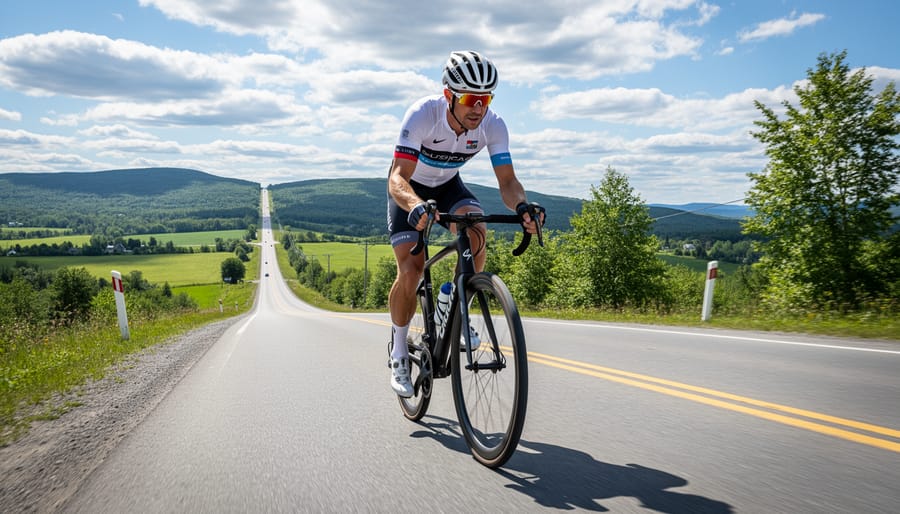
Quebec’s terrain demands respect and strategic preparation. The province’s rolling hills, sudden climbs, and sometimes rough pavement create challenges that flat-route training won’t address. Start by researching your target race’s elevation profile. Many Quebec events feature repeated short climbs rather than single long ascents, which requires a different fitness approach than pure mountain climbing.
Build hill-specific strength at least eight weeks before your event. Find routes with 4-8% grades and practice intervals that mimic your race profile. If you’re tackling an event like the GP de Québec with its punchy circuits, include 90-second efforts at threshold power with incomplete recovery. For longer events with sustained climbs, add weekly sessions of 8-12 minute tempo efforts on hills. Don’t neglect downhill handling skills. Quebec’s descents often feature tight corners and variable surfaces, so practice descending at speed while maintaining control.
Weather variability separates prepared racers from struggling ones. Spring races (May-June) can range from 5°C with rain to 25°C sunshine, sometimes on the same day. Train in various conditions deliberately. Schedule rides when conditions are less than ideal rather than only going out in perfect weather. This builds mental toughness and helps you determine which gear combinations work for different scenarios. Early season races require base layers and arm warmers at the start but might demand venting strategies by mid-race.
For fall events (September-October), expect cooler temperatures and higher chances of wet roads. Practice cornering on damp pavement at lower speeds first, then gradually increase pace as your confidence grows. Wet conditions change braking distances significantly, particularly on Quebec’s chip-sealed secondary roads.
Adapt your training block based on race distance and type. Criteriums need explosive power and repeated high-intensity efforts with minimal recovery. Build this through weekly crit-simulation workouts with 10-15 hard accelerations. Gran fondos and road races require sustained power output over hours, so include weekly endurance rides at 70-75% of threshold, gradually extending duration. Add a weekly brick workout combining endurance riding with high-intensity intervals to simulate the varied demands of Quebec racing.
Pay attention to road surface changes during training. Quebec roads shift from smooth asphalt to rougher chip seal without warning. This affects tire choice, bike handling, and energy expenditure. Training on similar surfaces helps your body adapt to the constant micro-adjustments required during races.
Essential Gear and Equipment Considerations
Quebec’s racing conditions demand thoughtful gear choices that balance performance with adaptability. The province’s variable weather, diverse road surfaces, and elevation changes mean your equipment needs shift significantly between April’s early-season races and August criteriums.
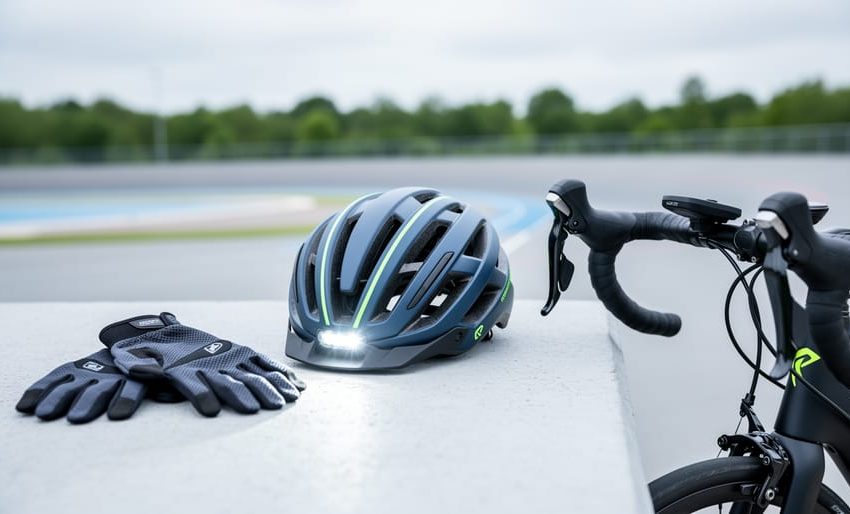
Your bike setup should match the specific race profile. Lightweight climbing bikes excel on hilly courses like those around Quebec City, where every gram matters on sustained ascents. All-rounders offer versatility for mixed-terrain events, while aero road bikes shine in flatter criteriums and time trials. Most experienced Quebec racers own multiple wheelsets rather than multiple bikes, swapping between climbing wheels for mountainous routes and deeper-section aero wheels for flat, fast courses.
- Lightweight climbing bikes provide superior performance on Quebec’s hilly courses and reduce fatigue on long ascents.
- All-rounder bikes handle varied conditions well and work for most Quebec race types without equipment changes.
- Aero road bikes maximize speed on flat sections and criteriums, particularly in Montreal-area races.
- Lightweight climbing bikes sacrifice stability in crosswinds and offer less comfort on rough pavement sections.
- All-rounder bikes compromise on specialized performance, being neither the fastest climber nor the most aerodynamic option.
- Aero road bikes add unnecessary weight on climbs and can feel sluggish on technical, hilly courses.
Tire selection proves critical on Quebec’s varied road surfaces. Forum regulars consistently recommend 25mm or 28mm tires for most races, providing the right balance between rolling resistance and comfort over chip-sealed roads common in rural areas. Run slightly lower pressures than you would elsewhere, Quebec’s frost-heaved pavement punishes overinflated tires. For early season events, some racers add tire sealant as insurance against debris from winter road damage.
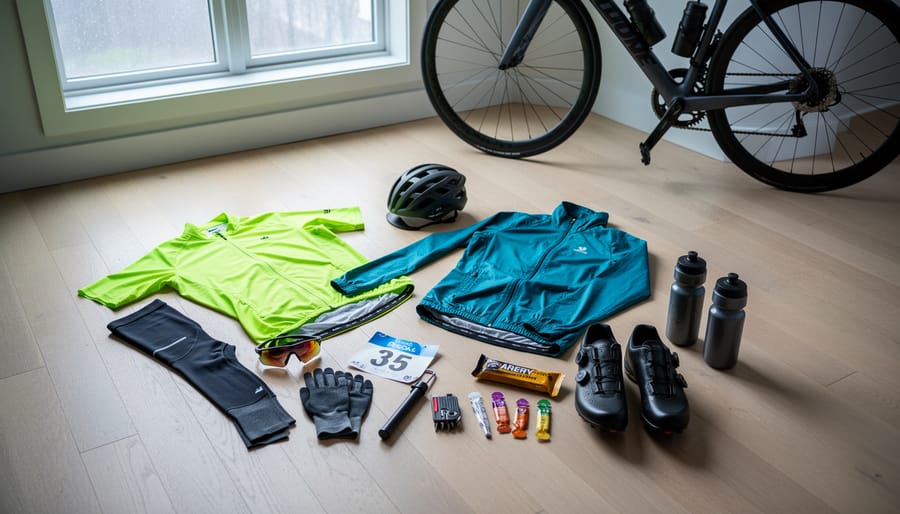
Clothing requires a layered approach. May and September races often start at 8°C and finish at 18°C, so arm warmers, leg warmers, and a lightweight vest are essential. Pack a rain jacket for any race before June, sudden showers are common. Summer races need sunscreen and well-ventilated jerseys; Quebec’s humidity makes 28°C feel much hotter than dry western climates.
Nutrition should account for longer race durations than you might expect. Quebec’s hilly profiles slow average speeds, so carry an extra gel or two beyond your usual race fueling. Experienced racers emphasize electrolyte replacement given the province’s humid conditions, which increase sweat rates significantly. Keep bottles accessible since feed zones aren’t guaranteed in smaller regional races.
Race Day Logistics: Getting There and What to Expect
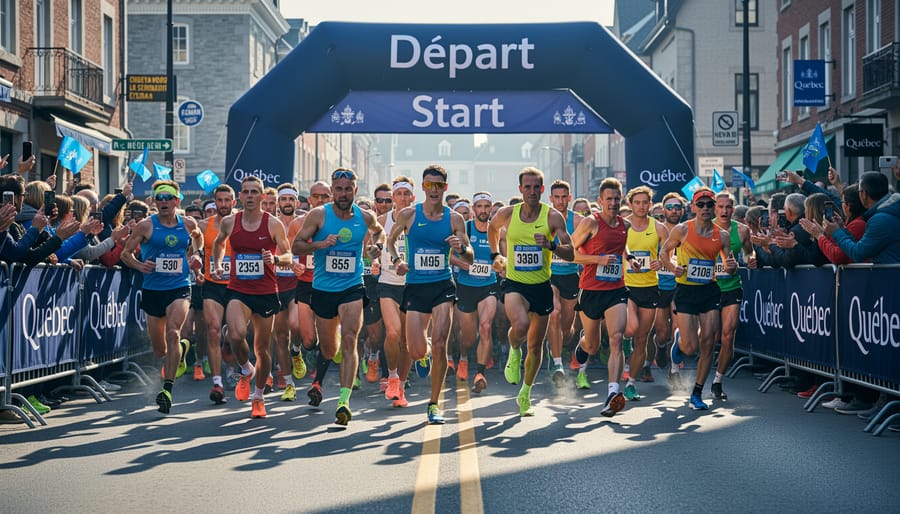
Arriving at least 90 minutes before your start time isn’t optional in Quebec races. Registration lines, bike checks, and port-a-potty queues all take longer than you expect, especially at events like Tour de l’Île where 20,000+ cyclists descend on Montreal.
For Montreal and Quebec City races, public transit often beats driving. The STM and RTC run early service on major race days, and you won’t circle for 45 minutes hunting parking. If you must drive, research designated race parking the week before, many events partner with nearby lots that fill by 6:30 AM. Street parking near start lines disappears overnight as locals wise up to race schedules.
Out-of-province racers should book accommodations months ahead for popular events. Downtown hotels offer convenience but premium prices. Consider neighborhoods like Verdun or Limoilou for better rates within a short metro ride. Some cyclists camp at provincial parks like Mont-Orford when racing outside major cities, though you’ll need a vehicle.
The race village opens 2-3 hours before start times. Expect mandatory number pickup, timing chip distribution, and a final bike inspection. Quebec organizers run tight ships, they will turn you away if you’re missing required equipment like a properly fitted helmet or your race bib isn’t visible.
Most races use rolling or wave starts to manage field size. Your category determines your start window, so double-check your confirmation email. Feed zones appear every 25-40 km on longer courses, stocked with water, energy drinks, and usually fruit. The final 5 km features frequent distance markers, helping you gauge when to empty the tank for your finish sprint.
Plan your post-race exit too. Gear retrieval, food tents, and results postings create bottlenecks that can delay your departure by an hour.
Community Insights: What Quebec Racers Wish They’d Known
Veterans of Quebec’s cycling scene consistently point to several blind spots that catch newcomers off guard. The province’s racing culture runs more aggressive than many expect, with attacks coming early and often. Riders accustomed to steady pacelines elsewhere find themselves dropped in the first twenty minutes because they didn’t anticipate the intensity right from the gun.
Pacing proves deceptive on Quebec roads. What looks like a manageable climb on the elevation profile hits harder after three previous rollers, and the descents don’t offer the recovery you’d expect. Experienced racers recommend holding back 10-15% more in the first half than feels natural, especially on courses around Quebec City where the terrain compounds fatigue quickly.
The racing is fierce, but the community afterwards is gold, stick around after you finish and you’ll learn more from casual conversations than from any training plan.
Nutrition timing trips up even prepared riders. Starting fueling at the first feed zone is too late for most Quebec events. Local racers advocate consuming your first gel or bar within the opening 30 minutes, before you feel you need it, because the early pace burns through glycogen stores faster than anticipated.
The weather forecast lies. Quebec’s microclimates mean conditions at the start line rarely match what you’ll encounter 40 kilometers later, particularly in spring and fall events. Carrying an extra lightweight layer costs minimal weight but saves races when temperatures drop or rain rolls in over the St. Lawrence.
Registration for popular events fills months ahead, yet organizers sometimes release additional spots six weeks out when participants cancel. Joining event-specific social media groups connects you with riders selling bibs and sharing real-time course recon rides that prove invaluable for race-day confidence.
Quebec’s cycling race scene offers something genuinely special, whether you’re chasing podium finishes or simply want to test yourself against the province’s demanding routes. The combination of world-class events, supportive racing culture, and stunning landscapes creates experiences that stay with you long after crossing the finish line.
Now’s the time to pick your target race and begin your preparation. Start with the training fundamentals we’ve covered, dial in your gear choices, and don’t hesitate to reach out to the community with questions. Experienced Quebec racers love sharing insights that can save you from common pitfalls.
We’d love to hear about your Quebec racing experiences or answer questions as you prepare for your first event. Head to our forum to connect with fellow cyclists who’ve tackled these challenges and are eager to help you succeed.