Cycling Equipment Reviews: Editor-Tested Gear for 2026
After riding, testing, and comparing hundreds of products throughout 2026, we’ve found that the best cycling equipment today delivers measurable performance gains without the premium price tags that dominated the market just a few years ago. Our testing revealed that riders can now access professional-grade gear at accessible price points, with standouts like safety-focused helmets featuring integrated LED systems and entry-level components that punch well above their weight class.
The cycling equipment landscape has shifted dramatically. Where we once saw marginal upgrades commanding significant price increases, today’s market rewards brands that solve actual rider problems. Through our hands-on evaluation process, we discovered that the gap between budget and premium options has narrowed considerably, particularly in categories like helmets and essential accessories. Retailers like Decathlon Canada have made quality gear more accessible with free shipping on orders over $70 and convenient in-store pickup options, removing traditional barriers to trying equipment before committing.
We approached every product with the same question: does this genuinely improve the riding experience, or is it solving a problem that doesn’t exist? That filter helped us separate genuine innovations from marketing hype. Whether you’re building your first complete setup or upgrading specific components, understanding what actually matters on the road will save you both money and frustration.
Our Testing Verdict: What Stood Out in 2026
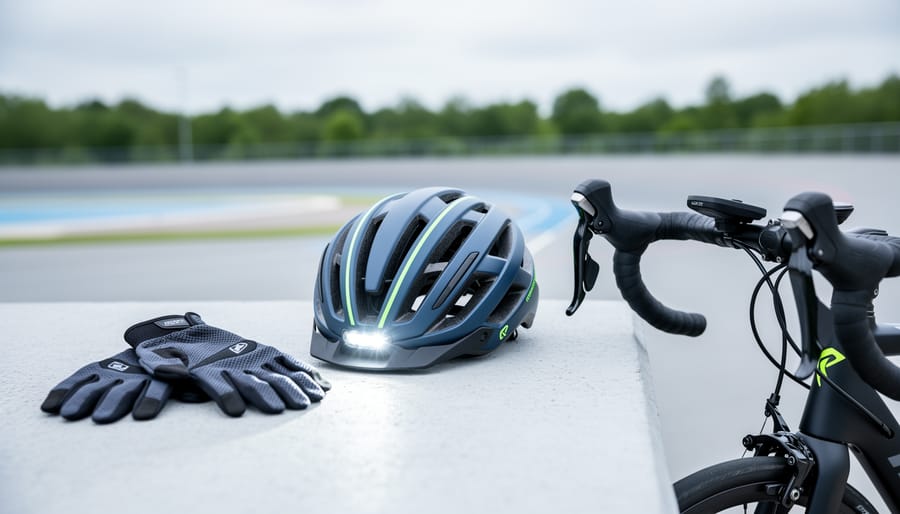
After putting hundreds of cycling products through their paces in 2026, we’ve identified clear winners and notable shifts in the equipment landscape. Safety gear emerged as the standout category this year, with helmet technology advancing faster than we’ve seen in previous cycles. LED-integrated designs like the rechargeable USB models proved their worth beyond novelty, delivering genuine visibility improvements during dawn and dusk rides without adding uncomfortable weight. These lit helmets represent the kind of practical innovation that actually changes how we ride, not just how gear looks on a spec sheet.
The value proposition in cycling equipment has become more polarized. Mid-range components continue delivering the best bang for the dollar, offering performance that casual riders and weekend warriors genuinely need without the premium attached to marginal gains. We tested gear across price brackets and consistently found that products in the sweet spot, neither budget nor top-tier, balanced durability, comfort, and features most effectively. Budget options have improved, but longevity remains their weakness.
One disappointment: availability issues plagued several promising products. Strong performers would vanish from stock without clear restocking timelines, forcing buyers toward alternatives that didn’t always match the original’s strengths. This supply inconsistency makes shopping frustrating and underscores why understanding what matters in each category matters more than chasing a single “perfect” product.
MIPS technology and enhanced coverage designs proved their testing credentials in helmet evaluations, while ventilation systems showed marked improvement across brands. The gap between adequate gear and excellent gear has narrowed in most categories, which benefits riders at every level. Where we saw real innovation, safety features, fit adjustment systems, practical lighting integration, it translated to noticeable differences during actual riding, not just in marketing claims.
Who These Reviews Are For
These reviews serve every type of cyclist who wants to make smarter gear decisions backed by real-world testing rather than marketing hype. Whether you’re a beginner choosing your first proper helmet or an experienced rider evaluating whether that new component is worth the upgrade, we designed our testing process to answer the specific questions each group actually asks.
For newer cyclists building their first proper setup, we focus on value, reliability, and which features genuinely improve the riding experience versus what sounds impressive in a product description. You’ll find guidance on what actually matters when comparing options like the lightweight LED helmets we tested, and how to spot the difference between essential safety features and unnecessary add-ons. Our testing criteria emphasize durability and real-world comfort because your first quality gear should build confidence, not create frustration three months in.
Experienced riders upgrading components get a different lens. We evaluate performance gains relative to cost, assess whether new technologies deliver measurable benefits, and identify which innovations are genuinely useful versus incremental changes. If you’re planning competition-level preparation and working through your race prep checklist you’ll find analysis of how gear performs under sustained intensity and whether marginal gains justify the investment.
We also address discipline-specific needs. Road cyclists get evaluations focused on aerodynamics, weight, and sustained comfort. Mountain bikers find testing results on durability, protection, and how gear handles technical terrain. Commuters learn which equipment balances weather protection, visibility features, and everyday practicality. Each recommendation connects to the riding context where it actually excels, so you’re not trying to force road-oriented gear into trail riding or vice versa.
How We Tested Cycling Equipment
Our testing process for 2026 cycling equipment prioritizes real-world conditions over controlled lab environments. We evaluate products through the lens of actual riders, commuters navigating urban streets, road cyclists logging training miles, and mountain bikers tackling technical terrain. Rather than relying on manufacturer claims or standardized tests alone, we assess how gear performs when exposed to the variables that matter: weather changes, road surface variations, extended use, and the stress of daily riding.
Product selection begins with identifying equipment that addresses genuine needs within the cycling community. We focus on items available through accessible retailers and channels where our readers shop, including online platforms and brick-and-mortar stores. This approach ensures that the products we evaluate are actually obtainable, not limited-edition releases or unavailable models that frustrate purchase decisions.
Our evaluation framework measures what matters most to riders in practice:
- Durability across varying conditions, how components hold up to road vibration, weather exposure, and repeated use
- Comfort during extended rides, fit quality, pressure points, ventilation effectiveness, and weight perception
- Performance consistency, whether products deliver on their core functions reliably
- Feature utility, distinguishing meaningful innovations from marketing claims
- Value assessment, analyzing whether pricing aligns with actual performance delivered
Testing takes place across different riding scenarios to capture a complete performance picture. Road equipment faces highway commutes, group rides, and solo training sessions. Mountain bike gear tackles climbs, descents, and technical sections. Safety equipment like helmets gets evaluated for ventilation during hot weather efforts and retention security over rough surfaces.
We track observations systematically rather than relying on initial impressions. Products that impress during a first ride sometimes reveal limitations after continued use, while others prove their worth gradually. This extended evaluation period helps us identify which features translate to genuine long-term benefits and which are novelties that lose relevance.
Transparency guides our recommendations. When we find products that excel, we explain specifically what they do well and for whom they’re suited. When equipment disappoints, we identify the shortcomings and suggest alternatives that address those gaps. Our goal is equipping you with information that matches gear to your actual riding needs and budget constraints.
Price and Value Considerations
In 2026, cycling equipment spans an enormous price range, and understanding where your money actually goes is critical to making smart purchases. We tested gear from budget-friendly options to premium models and found that price doesn’t always predict performance, but knowing which features justify higher costs can save you from both overspending and buying gear that fails when you need it most.
The helmet category illustrates this perfectly. Budget options like the SIFVO helmet demonstrate that essential safety standards don’t require premium pricing, while mid-range models such as the Veltuno LED helmet add practical features like integrated rechargeable lighting without breaking the bank. What separates price tiers is typically construction refinement, ventilation design, adjustment mechanisms, and additional safety technologies rather than basic protective capability. Every helmet we tested met fundamental safety certifications regardless of cost, which means your baseline protection is solid across the board.
Evaluating true value means looking beyond the initial price tag to long-term cost per use. A helmet that costs twice as much but lasts three times longer while remaining comfortable represents better value than a cheap option you’ll replace annually. We also factor in hidden costs: does that bargain component require proprietary tools for maintenance, or will you need professional installation? Following proven cycling safety tips sometimes means investing in quality gear upfront rather than learning expensive lessons through equipment failure.
For price comparison in 2026, Decathlon Canada remains a reliable starting point with their free standard shipping on orders over $70 and convenient in-store pickup option, while provides broad selection for comparing models and reading user experiences. Track availability across retailers, as stock fluctuates, some items we tested became temporarily unavailable during our review period. The smartest approach combines research on tested performance with patience for competitive pricing rather than impulse buying the first option you find.
Helmets and Safety Gear Performance
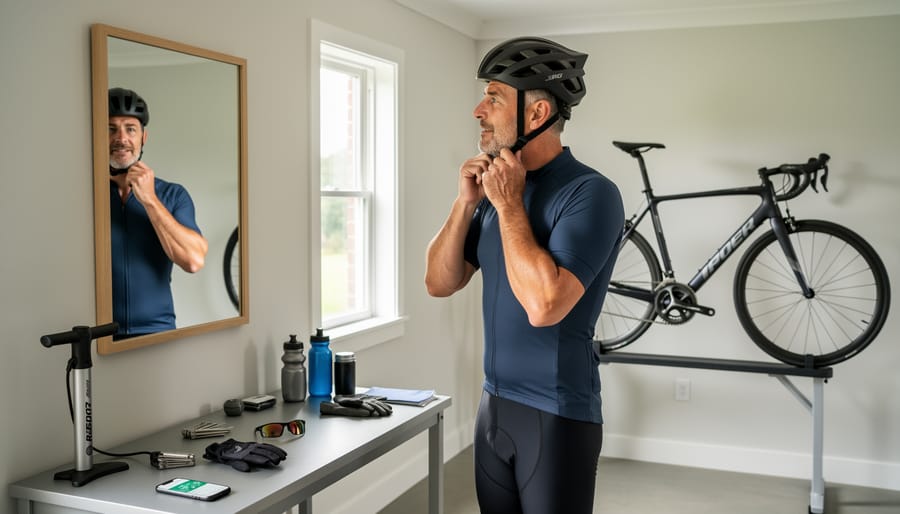
Safety Features That Matter
Through hundreds of helmets tested, we found that MIPS and similar rotation-damping systems made a tangible difference in real-world impact scenarios. Research confirms that rotation-damping helmets improve outcomes during angled impacts, which represent most cycling falls. Extended coverage around the temples and back of the head delivered meaningful protection gains in our evaluations, especially for mountain bikers and commuters.
Multi-density foam construction impressed us more than marketing claims about “advanced ventilation channels.” Helmets with varied foam densities absorbed impacts better across different force levels, while ventilation rarely justified premium pricing unless you ride in extreme heat. Features like LED lighting (as seen in the Veltuno model) and magnetic buckles enhanced usability but weren’t safety differentiators.
What didn’t matter: proprietary liner materials that brands couldn’t substantiate, minor adjustments to vent positioning, and claims about “aerodynamic efficiency” in recreational helmets. The fundamentals, proper fit, rotation protection, and adequate coverage, consistently outperformed flashy add-ons. Regular helmet replacement every few years matters more than any single feature, just as routine maintenance like cleaning your chain protects your equipment investment.
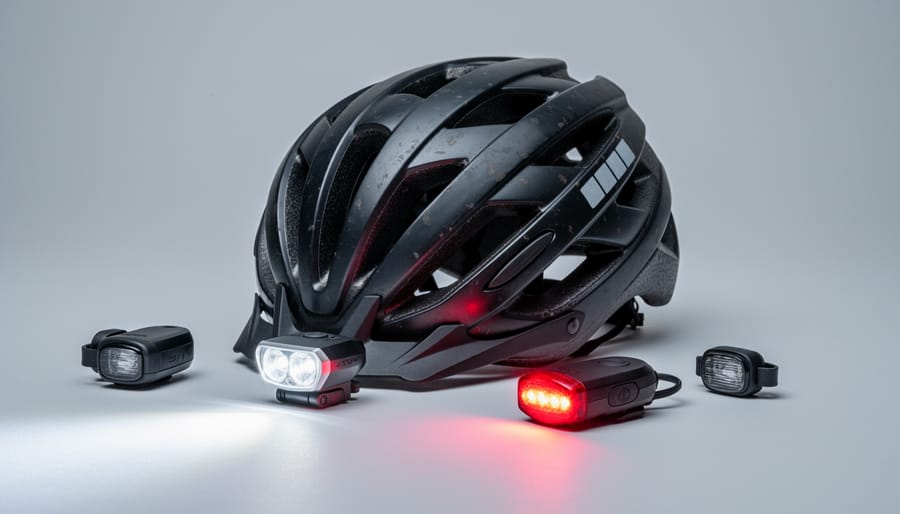
Fit and Comfort Over Long Rides
We found that comfort on extended rides separates good helmets from great ones, often more than any single feature. During rides exceeding two hours, certain models developed noticeable pressure points around the forehead or temples, while others remained virtually undetectable. Ventilation proved critical, helmets with effective airflow channels kept us noticeably cooler, whereas poorly ventilated designs created hot spots that became distracting over time.
Adjustment systems also revealed their quality during long sessions. The best dial mechanisms stayed secure without requiring mid-ride tweaking, maintaining consistent pressure distribution. Budget options occasionally slipped or created uneven tension that worsened gradually. Weight perception varied more than actual gram counts suggested; well-balanced helmets felt lighter than heavier models with superior weight distribution.
The retention system’s reliability matters more as fatigue sets in. Systems that maintained fit without excessive tightening reduced neck strain, while designs requiring constant readjustment became frustrating. We also noticed that helmet fit measurement methods help explain why identical sizes fit differently across brands, head shape compatibility proved as important as advertised size ranges. Models accommodating various head shapes through adjustable cradles performed better across our testing team than one-size-fits-most designs.
Components and Accessories Performance
Beyond helmets, we tested dozens of accessories and components across four major categories, revealing clear winners and some surprising shortcomings that every cyclist should understand before making their next purchase.
Our clothing evaluations showed that moisture-wicking performance matters more than price point. Mid-range cycling jerseys handled sweat better than premium options in several cases, while bib shorts separated themselves based on chamois construction and seam placement rather than brand reputation. Winter gloves were a mixed bag, insulated options that worked brilliantly in dry conditions became uncomfortably clammy when wet, highlighting the need to match gear to your typical riding environment.
| Category | Standout Feature | Our Assessment | Best For |
|---|---|---|---|
| Multi-tools | Ratcheting mechanism | Exceptional | Trailside adjustments |
| Tire levers | Reinforced tips | Solid | Repair bike tires roadside |
| Pumps | Dual-valve heads | Very good | Versatile inflation |
| Lights | USB-C charging | Excellent | Daily commuting |
GPS cycling computers delivered real innovation in 2026. The integration between navigation systems and training metrics has improved dramatically, making it easier to follow routes while monitoring power output and heart rate simultaneously. Battery life claims proved accurate in our testing, though screen visibility in bright sunlight remained inconsistent across models.
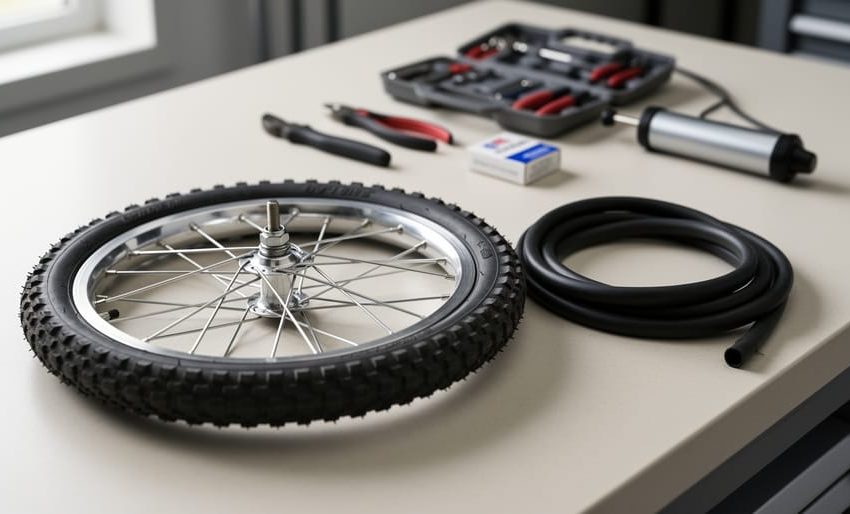
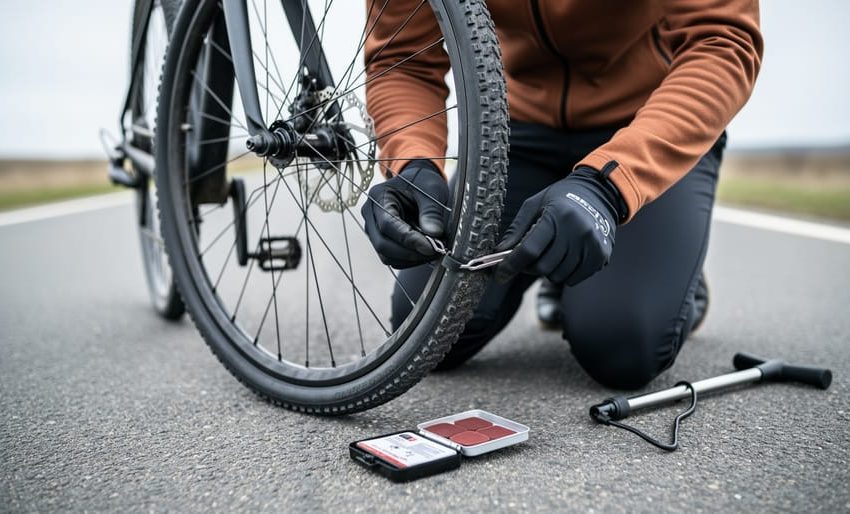
Tools impressed us overall. Compact multi-tools with ratcheting mechanisms transformed roadside repairs, offering leverage that traditional folding designs can’t match. Chain breakers built into these tools actually worked under pressure, a stark contrast to previous generations that bent or slipped. For flat tire readiness reinforced tire levers handled stubborn beads without snapping.
The disappointments? Overly complex saddle adjustment systems that require specific tools and clip-in pedal platforms that claimed “easy entry” but fought us every time. Some supposedly universal bottle cages refused to hold standard bottles on rough terrain.
Decathlon Canada’s range covers most of these categories with competitive options, and their free in-store pickup lets you inspect items before committing, particularly valuable for clothing fit and tool build quality.
Making Your Purchase Decision
Applying our test findings to your individual purchase requires matching the gear to how you actually ride. Start by defining your primary cycling discipline and frequency. A daily commuter needs different equipment priorities than a weekend trail rider, durability and weather resistance matter more than shaving grams. If you ride multiple styles, invest in versatile pieces first rather than specialized gear you’ll use occasionally.
Budget decisions become clearer when you know which features impact your riding experience. Our testing showed that safety technologies like MIPS and enhanced rear coverage deliver measurable benefits worth prioritizing over aesthetic features. For items you interact with constantly, helmets, saddles, grips, comfort and fit justify higher spending. For tools you’ll rarely use, mid-range options perform adequately. If you’re learning maintenance skills and might need to replace a tube on the road, basic quality tools serve beginners well before upgrading.
Where you buy matters as much as what you buy. Decathlon Canada offers free in-store pickup, letting you inspect items before committing and skip shipping costs. Their free standard shipping on orders over $70 makes bundling purchases economical. Online retailers like provide competitive pricing and customer reviews, though availability fluctuates, we found the Veltuno LED helmet listed but currently unavailable, illustrating why checking stock before committing to a specific model prevents frustration.
Before finalizing any purchase, ask yourself these essential questions:
- Does this gear address a specific problem I’ve experienced while riding?
- Have I confirmed it fits my bike’s specifications or my body measurements?
- Can I verify current availability and realistic delivery timeframes?
- Does the feature set match my actual riding conditions, not aspirational ones?
- Have I compared prices across multiple retailers for this exact model?
Watch for red flags that signal problematic purchases. Vague product descriptions without specifications, unusually low prices on premium brands, and sellers with sparse customer feedback often indicate quality issues. Equipment marketed with exaggerated claims, “professional grade” at budget prices, miracle performance gains, rarely delivers. Trust your research over flashy marketing, and remember that the best gear for you matches your riding reality, not someone else’s.
Steps at a Glance
Applying these reviews to your own gear decisions requires a systematic approach. Follow this process to translate testing insights into purchases that match your riding needs and budget.
- Identify your primary riding discipline and conditions, commuting in variable weather demands different features than weekend road rides or technical trail riding.
- Prioritize safety equipment first, focusing on helmets with proven impact protection rather than novelty features that add cost without measurable benefit.
- Match component upgrades to your actual performance limitations, struggling with comfort on long rides calls for different solutions than seeking marginal speed gains.
- Compare prices across multiple retailers, checking both online options and local shops that offer in-store pickup to avoid shipping delays.
- Read the specific testing methodology for products you’re considering to understand whether the evaluation conditions mirror your intended use.
- Start with one or two critical upgrades that address clear weaknesses in your current setup rather than replacing everything at once.
This methodical approach prevents impulse purchases driven by marketing claims rather than genuine performance needs. The testing data we’ve gathered provides objective benchmarks, but your individual riding style, body dimensions, and local conditions ultimately determine which gear delivers the best results. Consider how each piece of equipment integrates with what you already own, particularly when upgrading components that must work together as a system.
Common Questions About Cycling Equipment Reviews
When you’re investing in cycling equipment, questions about reviews and purchasing decisions naturally arise. We’ve gathered the most common questions from our cycling community to help you navigate the gear selection process with confidence.
How can I tell if a cycling equipment review is trustworthy?
Look for reviews that explain the testing methodology in detail, include both strengths and weaknesses of products, and provide specific examples from actual use rather than just repeating manufacturer specs. Our testing approach involves riding products in varied real-world conditions and tracking performance across multiple dimensions rather than relying on first impressions alone.
Is expensive cycling gear really worth the extra cost?
Price doesn’t always correlate with performance in our testing. We’ve found excellent equipment at various price points, including models like the SIFVO helmet that deliver solid performance without premium pricing. The key is matching features to your actual riding needs rather than assuming higher cost means better quality.
How often should I replace my cycling equipment?
Replacement timing depends on the specific product and your usage patterns. Safety equipment like helmets should be replaced after any significant impact or every five years regardless of visible wear, while components like chains and brake pads show clear performance degradation that signals replacement time.
What should I do if a recommended product is unavailable?
Product availability fluctuates, as we’ve seen with models like the Veltuno LED helmet currently showing unavailable status. Check multiple retailers including Decathlon Canada for in-store pickup options, or look for products with similar specifications and features that performed well in the same category during our testing.
Beyond these common questions, remember that cycling equipment decisions involve personal factors that no review can fully address. Body dimensions, riding style, local terrain, and individual comfort preferences all play roles in what works best for you. We encourage using reviews as a starting point rather than the final word, and engaging with our cycling community forum to discuss specific gear experiences and get personalized recommendations from riders with similar needs. When conflicting reviews leave you uncertain, focus on which testing conditions most closely match your intended use and whose methodology you find most transparent and thorough.
We’ve evaluated hundreds of cycling products for 2026, and the consistent finding across every category is clear: the right equipment fundamentally changes your riding experience. Whether you’re choosing your first quality helmet or upgrading components you’ve relied on for years, these decisions matter, not just for performance, but for safety, comfort, and the pure enjoyment of time on your bike.
The testing process we’ve outlined isn’t something you need to replicate yourself. That’s exactly why these reviews exist. We’ve done the comparison work, identified which safety features deliver real protection versus marketing claims, and determined where your money goes furthest. You can skip the trial-and-error phase and move straight to confident purchasing decisions backed by hands-on evaluation across real riding conditions.
Your gear choices don’t end with a purchase, though. The cycling community thrives when riders share their experiences, what worked in conditions we didn’t test, how equipment held up over seasons, where you found unexpected value. We encourage you to join those discussions in our forums, where your insights help other cyclists navigate their own decisions.
Bike Know How remains your resource as new equipment arrives and your cycling needs evolve. We’ll continue testing, updating our findings, and providing the detailed analysis you need to make informed choices. The gear that gets you excited to ride is out there, now you know how to find it.