
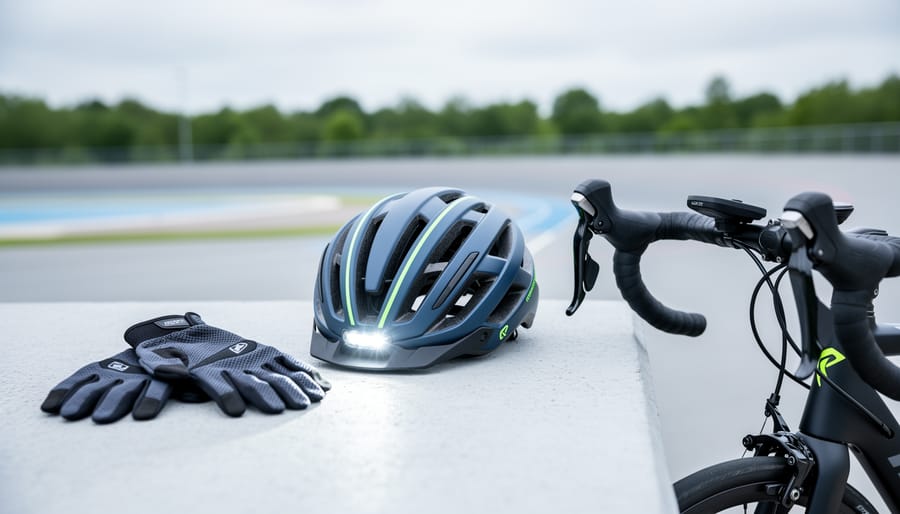
After riding, testing, and comparing hundreds of products throughout 2026, we’ve found that the best cycling equipment today delivers measurable performance gains without the premium price tags that dominated the market just a few years ago. Our testing revealed that riders can now access professional-grade gear at accessible price points, with standouts like safety-focused helmets featuring integrated LED systems and entry-level components that punch well above their weight class.
Key Takeaway: Quality cycling gear in 2026 prioritizes real-world durability and rider safety over flashy features. We found that products offering tangible benefits like improved visibility, measurable comfort on long rides, and consistent performance across varied conditions consistently outperformed their more expensive counterparts. The sweet spot for value sits in the mid-range category, where thoughtful design meets practical engineering.
The cycling equipment landscape has shifted …
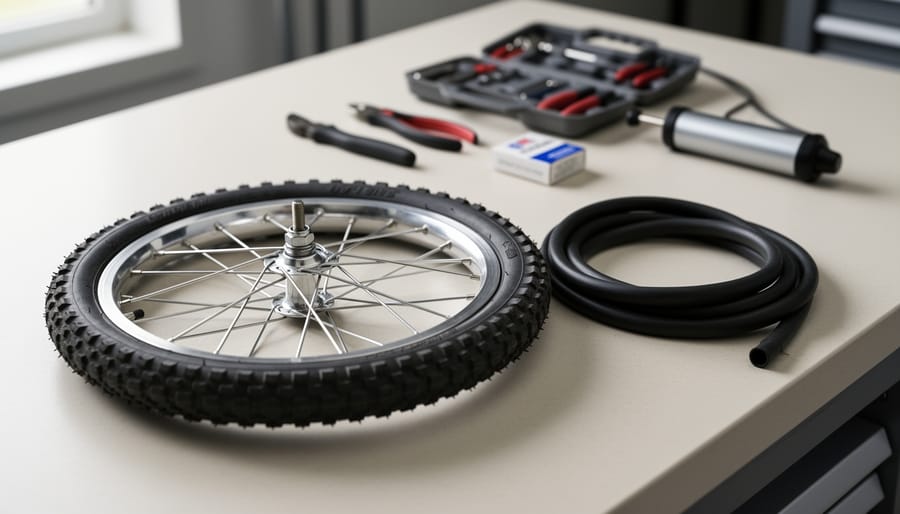
Replacing an 8 inch tire tube is a straightforward repair that most cyclists can complete in 15 to 20 minutes with basic tools. These small inner tubes power children’s bikes, balance bikes, scooters, and compact wheeled equipment, and while the repair follows the same fundamental principles you’d use to repair bike tires on full-sized bicycles, the compact diameter presents unique challenges that catch many first-timers off guard.
The smaller circumference means tighter clearances when working around the rim, less leverage when using tire levers, and a higher risk of pinching the new tube during installation. But here’s the good news: once you understand how to work within these constraints, you’ll find that 8 inch tubes are actually easier to handle than their larger counterparts. The …
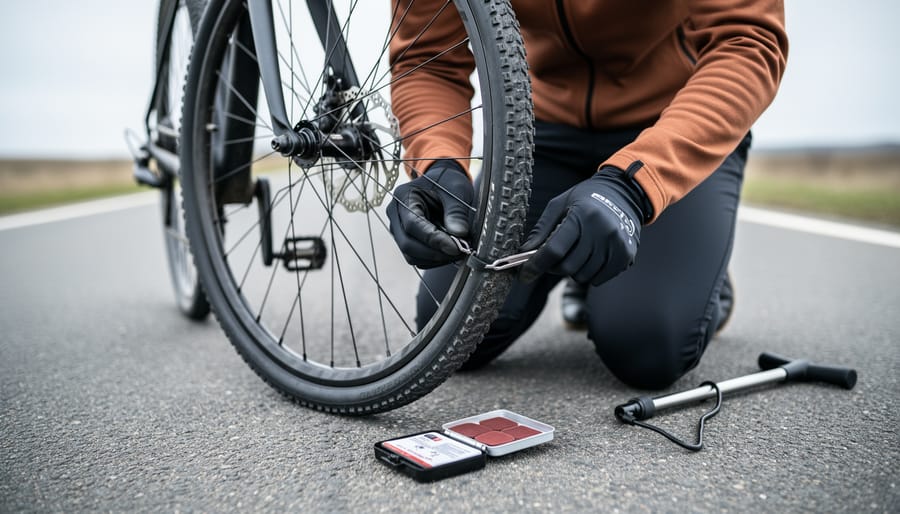
Repairing a tire safely comes down to one critical decision: understanding whether the damage falls within repairable limits or requires replacement. Most punctures smaller than 6mm in the tread area can be fixed reliably with patches or plugs, but sidewall damage, large tears, or cuts near the bead almost always mean it’s time for a new tire. The process itself takes 15 to 30 minutes for tube repairs and slightly longer for tubeless setups, requiring only basic tools like tire levers, a pump, and a quality patch kit or plug system.
Getting this right matters because a poorly executed repair can fail mid-ride, leaving you stranded or worse. Even experienced cyclists sometimes skip verification steps or attempt to save tires that are beyond safe repair thresholds. The good news? Once you understand the evaluation criteria and follow proven techniques, tire repair becomes one of those essential skills that saves money and keeps you riding when others might be calling for a pickup.
This guide walks you through the …

Professional cyclists reduce their crash risk by an average of 60% through systematic safety protocols that recreational riders rarely adopt. Most cycling accidents stem from predictable scenarios: intersection conflicts, visibility failures, and group riding dynamics. The gap between amateur and pro-level safety isn’t talent or fitness, it’s the deliberate application of proven defensive riding techniques and equipment choices that World Tour teams treat as non-negotiable.
Key Takeaway: Over 70% of serious cycling incidents occur in situations that pro-level safety practices specifically address. Adopting even half the protocols used by professional teams can dramatically reduce your crash exposure while making every ride more confident and enjoyable.
The difference becomes clear the moment you ride with someone who’s internalized professional safety habits. They scan intersections differently, position themselves with surgical precision in traffic, and …
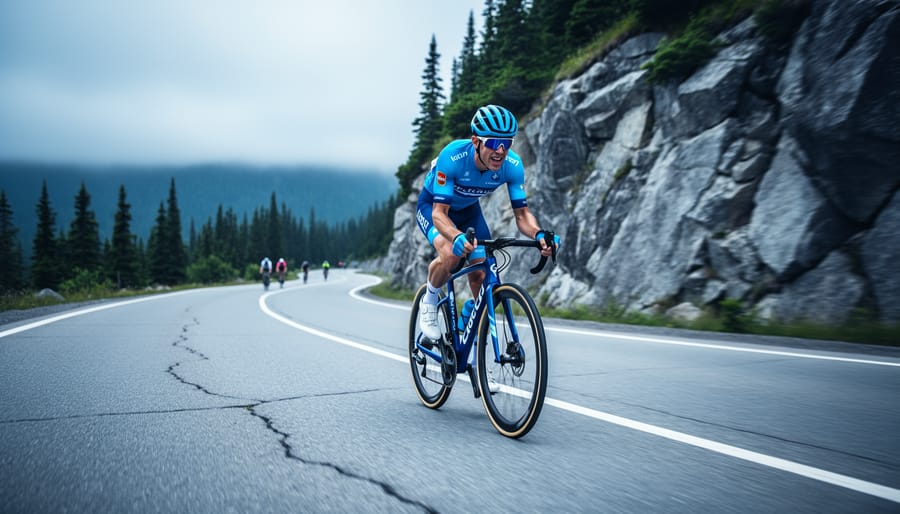
Quebec’s cycling race scene pulses with energy from late spring through early fall, offering everything from grueling mountain stages in the Laurentians to criteriums through Montreal’s cobbled streets. The province hosts over 40 sanctioned races annually, including the prestigious Grand Prix Cycliste de Québec and Montreal, which attract WorldTour professionals each September.
Registration for most Quebec races opens 8-12 weeks before race day through the Fédération Québécoise des Sports Cyclistes (FQSC) platform. You’ll need a valid racing license, which costs about $100 for beginners and requires completion of a basic safety course. Many events fill their rosters within days, particularly the popular Ride Mont Sainte-Anne and the challenging Tour de Beauce stage race.
Quebec’s unique racing conditions demand specific preparation. Spring races battle unpredictable weather, with temperatures swinging from 5°C to …
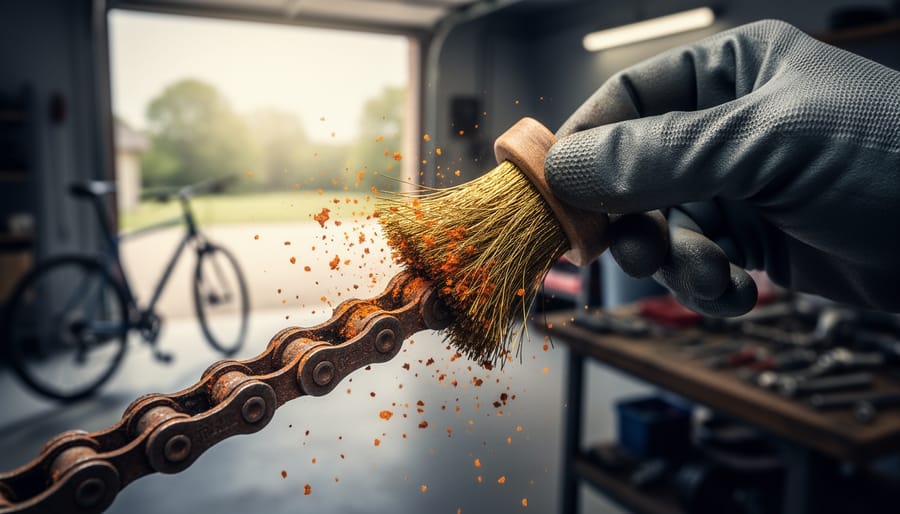
Remove surface rust by spraying the chain with WD-40 or a dedicated rust remover, letting it sit for 10 minutes, then scrubbing vigorously with a stiff brass brush or steel wool while rotating the pedals backward. For moderate rust, soak the chain in white vinegar or citric acid solution for 2-3 hours, agitate with a brush, then rinse thoroughly and re-lubricate immediately. Deep rust penetration requires chain removal and overnight soaking in a rust dissolver like Evapo-Rust, followed by detailed inspection of link flexibility and roller movement.
Assess whether cleaning is worthwhile by checking for stiff links, pitting deeper than surface level, or visible metal deterioration between rollers. A chain showing any of these signs after cleaning should be replaced rather than returned to service, as structural integrity is compromised. Understanding chain maintenance basics helps prevent rust formation through regular cleaning every 100-200 miles and proper lubrication after wet …